
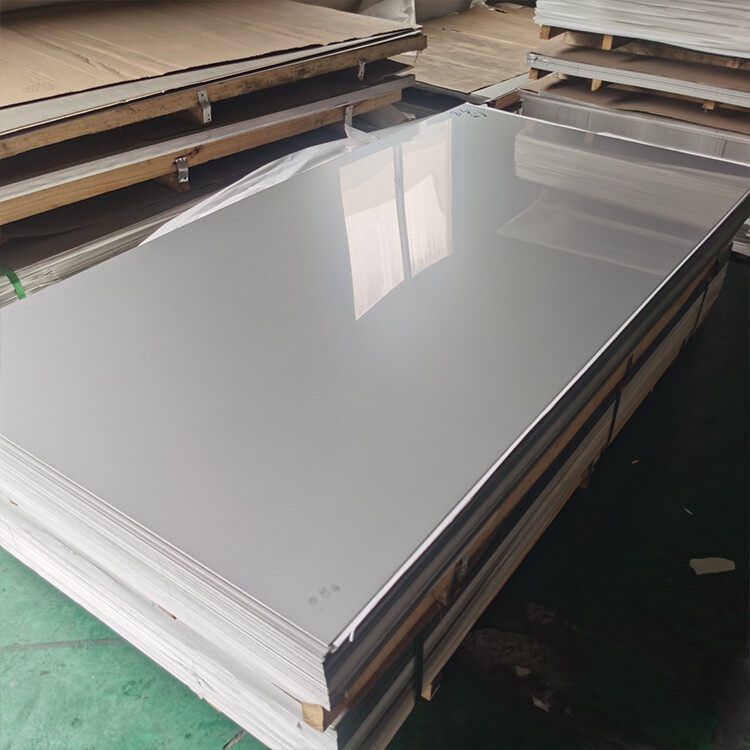
Global trade protection measures for stainless steel have intensified significantly in September 2026, with major economies rolling out anti-dumping reviews, new trade investigations and stricter import compliance rules. These policy adjustments, coupled with fluctuating nickel raw material prices and regional supply-demand imbalances, are reshaping the global stainless steel trade landscape and keeping market prices range-bound.
The European Union has taken the lead in tightening market supervision. On September 15, the European Commission launched sunset anti-dumping reviews on cold-rolled stainless steel coils imported from China, Chinese Taiwan, India and Indonesia. The investigation covers the trade period from July 2025 to June 2026, aiming to verify dumping practices and industrial damages to EU domestic manufacturers.
Additionally, the EU’s new full traceability regulation for steel products will take effect on October 1, 2026, requiring all imported stainless steel goods to provide complete smelting and casting source records, with a one-year transition period. The new rule substantially raises market entry thresholds and export compliance costs for global suppliers. European stainless steel giant Outokumpu noted that high energy and labor costs continue to squeeze local manufacturers’ profit margins, offsetting the benefits of trade protection policies.
Regional trade frictions have also emerged in Southeast Asia. In late September, Malaysia initiated an anti-dumping investigation into cold-rolled stainless steel products from Indonesia, accusing Indonesian low-cost exports of disrupting its domestic market. As a major global stainless steel production base supported by abundant nickel resources, Indonesia’s booming export volume has triggered internal competition within Southeast Asia’s steel industry, lifting regional trade barriers.
South Korea expanded its anti-dumping tariff coverage in late September, including stainless steel plates and coated coils in its regulatory list for the first time. The move targets rampant low-cost stainless steel imports, which have suppressed domestic price recovery and pressured local steel enterprises amid sluggish global downstream demand.
In the American market, the U.S. Department of Commerce announced on September 21 a postponement of the countervailing duty preliminary ruling on welded stainless steel pipes from India and Turkey, delaying the deadline from October 8 to December 14, 2026. The suspension eases short-term trade uncertainties and brings temporary relief to Indian and Turkish stainless steel pipe exporters.
In terms of raw materials, global nickel prices stabilized in late September. Indonesian mining firm WBN obtained official approval to resume nickel ore production and supplement resource quotas in the second half of 2026, while Philippine nickel prices remained steady, offering cost support for stainless steel production. However, weak global demand from manufacturing and infrastructure sectors has restricted market rallies, keeping stainless steel prices in narrow fluctuations.
Related Posts
Online Message
GET IN TOUCH